Senior year unfolds differently for each student; some navigate through the toughest stretch of college, others the easiest or most relaxed, depending on personal circumstances, academic load, and life goals. However, a universal recurring theme flows presently through the graduating class- senioritis. The familiar slump is marked by decreasing motivation and eagerness to enter into a significantly new chapter in life. The restlessness and stress for adult independence, career opportunities, new locations, and the thrill of new beginnings all excitedly shine and blind the years of instant ramen noodle dinners, shared communal showers, and the confinement of a dorm twin bed.
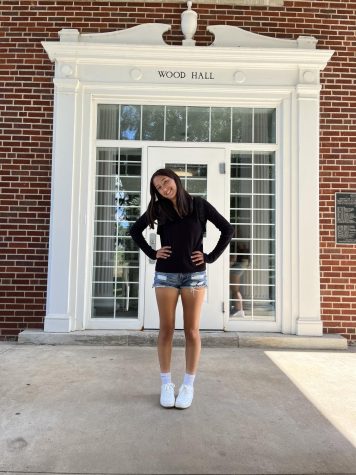
As the senior year progresses, many students notice a shift in their academic groove or rhythm as course loads get lighter or heavier, creating habits of procrastination and reduced effort. Senior Marketing major Isabella Roberts recounts the ripple effects of senioritis on her academic success as she wraps up her first semester of senior year and heads into the final stretch. “The dynamic is different, classes are easier, so it’s creating bad habits with waiting until the last minute to turn my assignments in or just not wanting to do them. It affects me socially since I wait so last minute, I’m more stressed and can’t have fun with my friends when they want to. My work ethic has changed in not putting as much effort and doing the bare minimum,” says Roberts.
In contrast to Roberts, senior Business Administration major Kaden Fugate describes his final stretch as relaxed, thanks to a lighter course load, and feels a sense of readiness to move beyond lectures and assignments, entering into a new chapter. Fugate states, “I feel at ease just because I know I’m taking fairly easy classes and I’m gonna have more free time. I’m really eager to finish and get a start on my career because I feel like it’s so close,”
Senioritis weaves its presence differently among students, as shown with Roberts and Fugate, who represent just two voices among many in the Class of 2026 nationwide and C-SC, navigating this pivotal final semester. Ultimately, senioritis is commonly stereotyped as simply laziness and lack of motivation; however, senioritis embodies an itch towards greater opportunities and resources that these students have been diligently working towards over the past four years.
As we enter the new year, we extend our best wishes to the 2026 graduating class as they take on this final semester with a focus on academic tasks, taking care of their mental and social well-being, and fully soaking up these final monumental months of college life. Academic burnout and loss of motivation are very real during this final stretch, so embrace the support available and connect with professors, advisors, and mental health leaders on campus. Prioritizing balance now will transform the hurdle of senioritis.