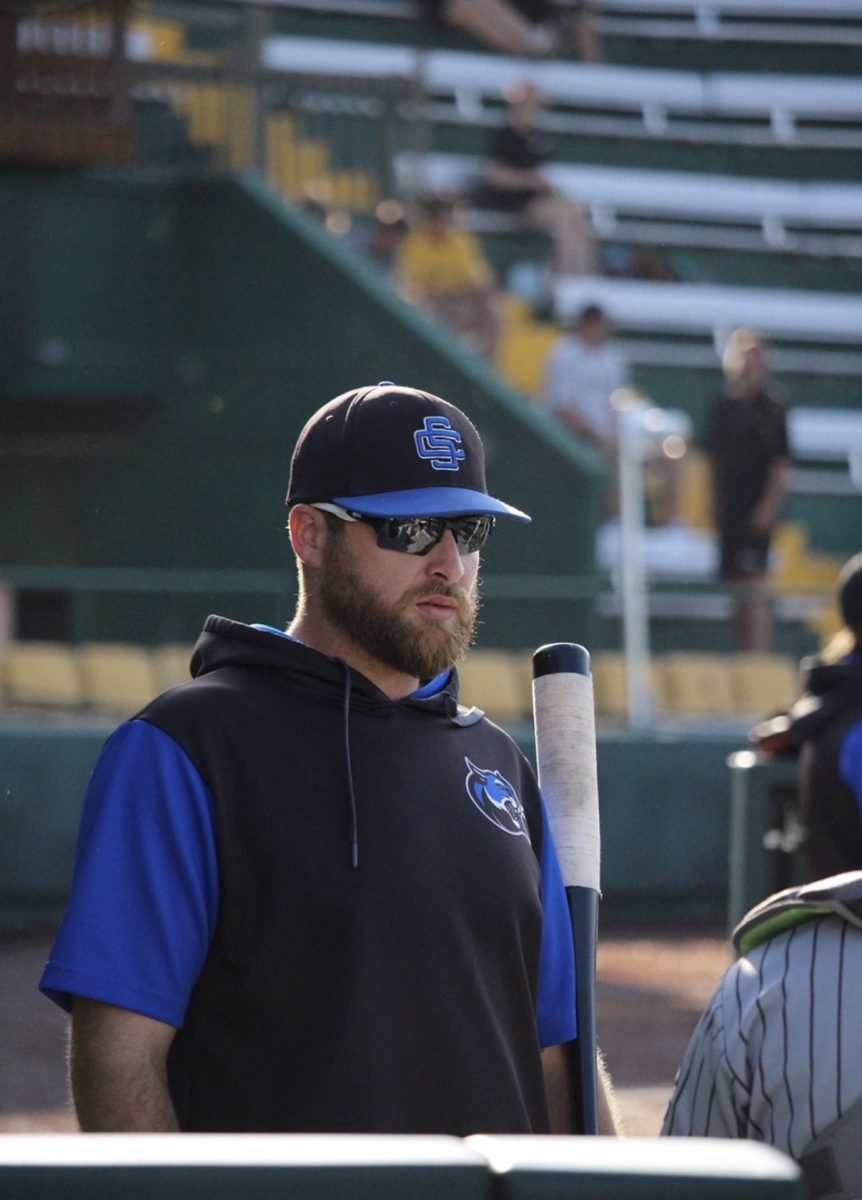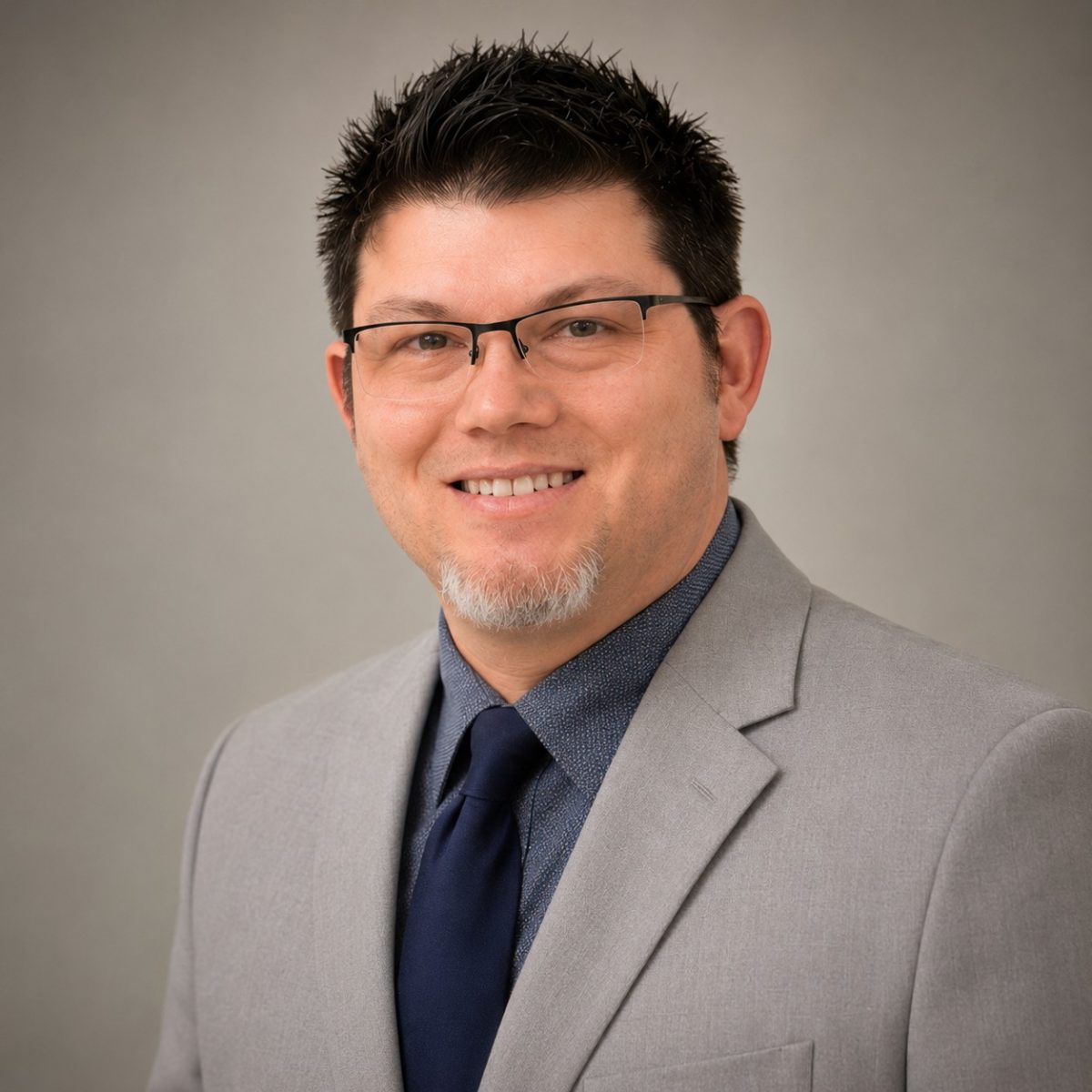
“I’m not paid to be the president, and it’s certainly not a glory position either. I am doing it because it is important to the profession. Having a service leadership mentality is important to my students, and making sure that it is in a better position when they come in than when I leave it,” said Dr. Jay Hoffman.
Dr. Hoffman has many positions other than just being a Professor of Athletic Training and Health Science at Culver-Stockton College. He is also the Interim Dean of Graduate Program System; Program Director of Master of Athletic Training; and the Health Science Department Chair.
Most recently Dr. Hoffman became the president of the Missouri Athletic Trainer’s Association (MoATA) back in June of this year.
When asked what MoATA is, he said, “It’s a member association representing athletic trainers in the state of Missouri with current 800 members.”
As president, Dr. Hoffman’s role as president is to provide strategic oversight over the association and to address anything critical in the association and put out any fires. “We also want to enhance communication to members across the state, provide relevant athletic training education, and provide forward advocacy towards athletic training agendas”, said Dr. Hoffman.
Striving to improve the organization alongside the practice of athletic training takes major collaborative efforts, which is why he has spoken to past-president and current committee chairs how to move forward with the profession and elevate all athletic training in Missouri.
One of the biggest pieces of advice when asked about how he got where he was and how anyone interested in athletic training or interest a student might have is to step and volunteer. “Being able to lead isn’t always being president. Leadership can be stepping up to be a moderator when volunteers are needed,” said Dr. Hoffman. He himself started by volunteering and highly recommends stepping up, especially when it is in an area of interest.
“When I get asked about what I would look for in someone interested in athletic training is ‘why serve’ and the motivation behind athletic training. Having the motivation to have a service mentality, because I have gotten far more out of service than any other professional aspect,” said Dr. Hoffman.